California property guide · JJ&S Environmental Services
Flood preparedness starts with knowing your property.
When heavy rain reaches California, the trouble often starts in ordinary places: water pushing against a garage door, gathering in a parking lot, or seeping into a ground-floor room. At home, that may mean wet furniture and damaged flooring. At a business, the same storm can affect employees, inventory, equipment, and the ability to open the next morning.
Not every property faces the same flood risk, and no two recovery projects are exactly alike. What helps is knowing where water is most likely to go, making a few preparations before the storm, and understanding how to respond if it gets inside. Here are practical steps for homeowners, business owners, and property managers across California.
Understanding flood risks across California
Flooding does not look the same from one part of California to another. River communities can face rising water over a wide area. Urban neighborhoods may struggle with runoff that collects faster than storm drains can carry it away. Coastal properties may have tidal or storm-driven concerns, while hillsides affected by wildfire can experience sudden runoff and debris flows.
Atmospheric rivers can deliver heavy rain over a large part of the state, but a property does not need a major named storm to experience water damage. A blocked drain, an overflowing channel, or a low entrance can be enough to cause trouble. That is why flood planning should begin with the building and the land around it, not just the regional forecast.
Think about Mission Valley along the San Diego River, areas near the Sacramento and American rivers, low-lying parts of Visalia, or shoreline neighborhoods around Hayward. Each location has different sources of flood exposure, but the property-level questions are similar: Where could water enter, which materials would be affected, and how would people leave safely?
Selected California flood-risk regions
These examples focus on places with documented flood exposure and nearby JJ&S service coverage. They do not suggest every address in those communities is equally vulnerable; check each individual property using local maps and site history.
San Diego County (Vista / Chula Vista service)
San Diego River corridor
Mission Valley and other city-mapped flood-prone areas. Local flood-risk information ↗
Sacramento region
Sacramento River floodplains
Areas along the Sacramento and American rivers and connected drainage systems. Local flood-risk information ↗
Bay Area
Hayward shoreline
Low-lying shoreline and storm-drainage areas with coastal and rain-related flood exposure. Local flood-risk information ↗
How to check your property's flood risk
Start with FEMA's Flood Map Service Center to review mapped flood hazards by address. California's MyHazards tool can provide additional hazard context. These maps are useful starting points, but being outside a mapped high-risk zone does not mean a property is immune to flooding or water intrusion.
Take a few minutes to check areas around your property where water could collect or enter during heavy rain. Look at doors, garages, gutters, and drains, especially places that have experienced flooding or leaks before.
For homeowners, focus on garages, patios, and storage areas. For businesses, check entrances, parking areas, equipment rooms, and spaces where important materials are stored. It's also worth checking nearby roads, as flooding can make it difficult to access your property even when the building itself is not affected.
How to prepare your home or business before heavy rain
Check drainage and the building exterior
Clear leaves and debris from gutters and accessible drains. Look for damaged roof areas, downspouts discharging against walls, blocked surface drains, and places where water regularly sits against the foundation. Make a note of anything that needs professional attention. Qualified trades should handle roof repairs, grading, drainage redesign, and unsafe ladder work rather than improvising during a storm.
Protect belongings, equipment, and records
Move important documents, photographs, electronics, and other valuables away from areas that have flooded before. If you operate a business, consider what would happen if water reached your inventory, computers, records, or essential machinery. Relocating a few critical items or backing up files before a storm can prevent a much larger disruption afterward.
For commercial sites, decide in advance who is authorized to move stock, where it can go, and which equipment should be prioritized. For households, keep medications, identification, and other essentials somewhere easy to reach if you need to leave quickly.
Make a plan for people, not just property
Know the safest routes out of the area, where to meet if you become separated, and how to receive local alerts. Build a supply kit that accounts for food, water, flashlights, chargers, medications, and pets. Households should think about children, older adults, and anyone who may need help evacuating.
Business owners and facility managers should identify who monitors warnings, who contacts staff or tenants, and who can decide to close a site. Keep contact information for employees, building managers, the insurer, key vendors, and emergency services where it will still be available during a power outage.
Review insurance and document the property
Flood damage may not be covered by a standard homeowners or commercial property policy. Ask your insurer what coverage applies, whether a separate flood policy is needed, what exclusions exist, and how to document a claim. Some flood policies have waiting periods, so this is worth reviewing well before severe weather arrives.
Take a few photographs of rooms, major equipment, and valuable contents while everything is in good condition. A current record can help if you later need to explain what changed.
Know your utilities and building systems
Locate electrical panels, water and gas shutoffs, and any sump pump or flood-protection equipment. Learn the correct safety procedures from the utility or a qualified professional. Never try to reach a switch or valve by entering standing water. Commercial properties should also identify systems whose failure would make the building unsafe or unusable.
When heavy rain arrives, rely on official alerts
Conditions can change quickly. Use the National Weather Service forecast and warning service for your location and follow instructions from city and county emergency officials. A flood watch means conditions are favorable for flooding; a flood warning means flooding is occurring or expected. The National Weather Service's watch-and-warning explanation can help you understand the difference.
Stay out of flooded roads and moving water. Never drive around a road closure or send someone into floodwater to retrieve belongings, move a vehicle, or clear a drain. If officials tell your neighborhood or building to evacuate, follow that direction. The safety of occupants comes before protecting property.
Post-flood recovery: what to do first
When the water recedes, it can be tempting to get straight to cleanup. A more careful approach starts with safety, then documentation and a plan for restoring the affected spaces. The steps below apply to homes and commercial buildings, although larger facilities may need more people and contractors involved.
Make sure it is safe to enter
Do not enter if local officials have restricted access or if you see signs of structural damage, electrical hazards, gas issues, or contaminated standing water. Sagging ceilings, unstable floors, and damaged stairs can be dangerous even after the visible water is gone. The EPA's guidance on coming home after a flood outlines important precautions. Contact the utility or an appropriate qualified professional if building systems may be unsafe.
Record the damage before it changes
Once the space is safe, photograph affected walls, floors, furniture, equipment, waterlines, and debris. Note where the water entered and roughly how long materials were wet, if known. Contact the insurance provider and keep receipts, inspection findings, and contractor information together. Commercial teams should also document affected rooms, equipment, and any interruption to operations. Do not delay urgent safety measures for photographs.
Keep unaffected areas and belongings protected
Separate dry belongings from wet or potentially contaminated items when it can be done safely. Avoid moving sewage-affected materials through clean rooms without a proper handling plan. Some hard-surface objects may be cleanable, while porous items can be much harder to restore. Ask an experienced restoration professional when it is unclear what can safely be saved.
Have water intrusion and hidden moisture assessed
Standing water is only part of the problem. Moisture can remain beneath floors, behind baseboards, and inside insulation or wall cavities. A water-damage restoration team can assess extraction and drying needs, including areas that do not look wet from the outside. Prompt attention helps reduce additional damage and the chance of mold growth, but the work must be performed safely.
Check suspect materials before taking any actions
Before cutting out drywall, pulling up older flooring, or removing ceilings, consider what those materials may contain. Some buildings have asbestos-containing products or lead-based paint that can be disturbed during repairs. Flooding does not create asbestos or lead, but demolition and sanding can release hazardous material if it is present. EPA explains these concerns in its flood-related health and cleanup guidance. Arrange an appropriate evaluation before disturbing suspect materials.
Coordinate recovery in the right order
Depending on the damage, the work may involve utilities, a structural or electrical professional, an insurer, a water-damage restoration contractor, an environmental specialist, and repair trades. Clarify who is responsible for drying, removing damaged materials, handling regulated waste, and rebuilding. At a business, keep affected areas restricted until they are safe to use and communicate clearly with employees, tenants, and customers about access.
JJ&S Environmental Services
Not sure what may be inside damaged building materials?
Flood cleanup and environmental abatement are different services. JJ&S can review the environmental scope with your team.
Ask JJ&S about the environmental work ↗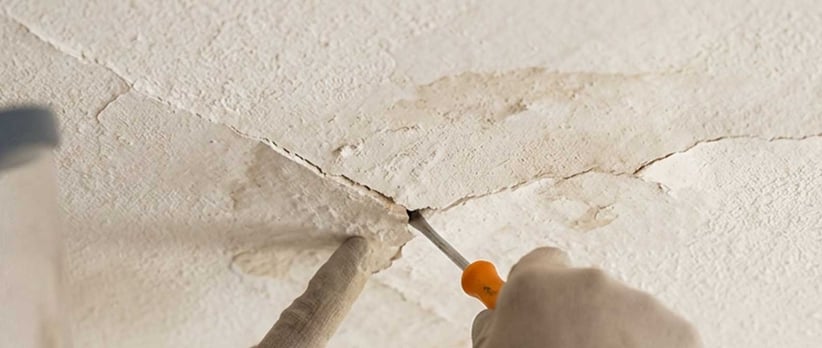
What to watch for after the water is gone
Hidden moisture and mold
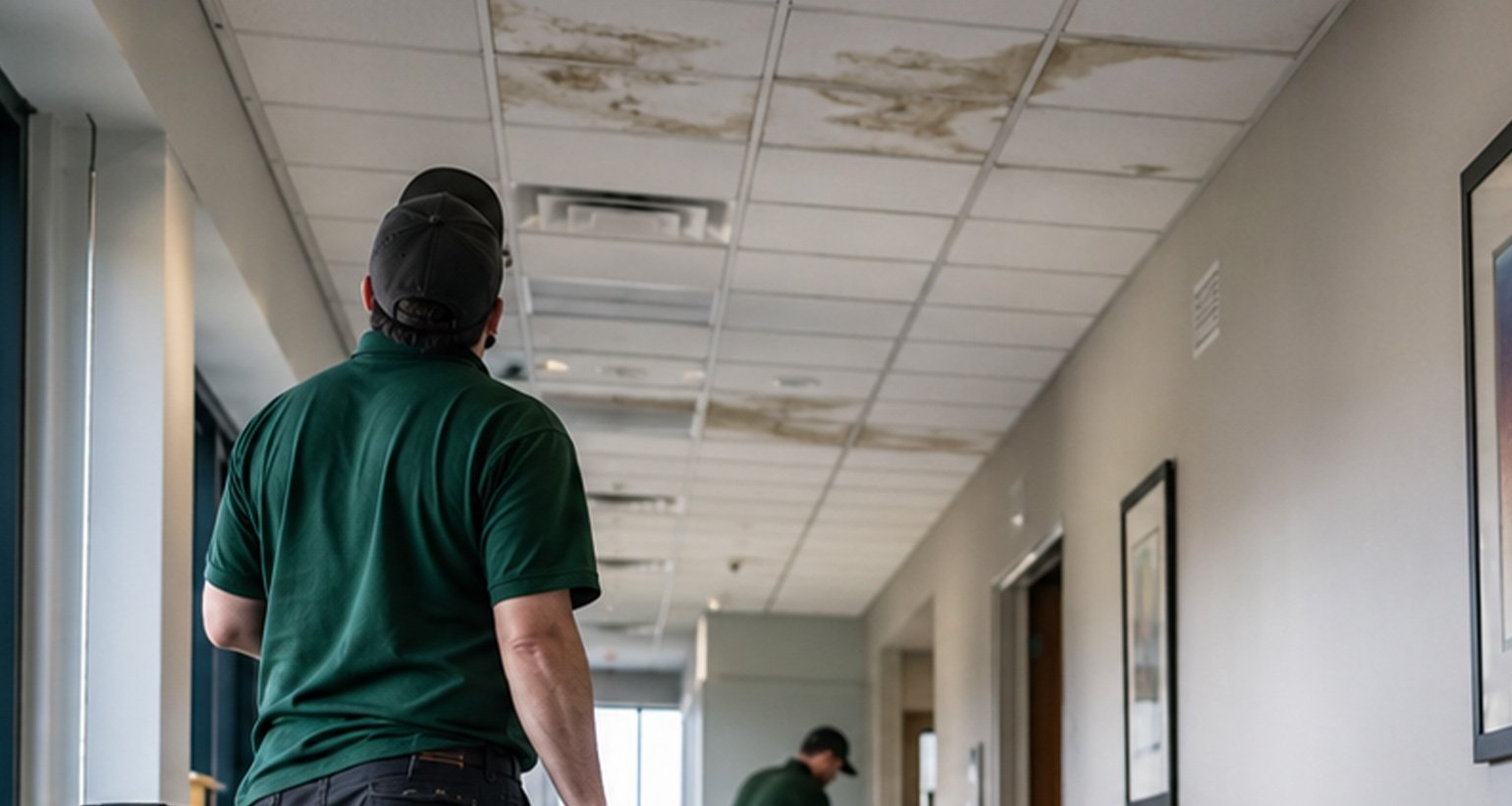
Wet materials can remain damp even when a surface looks clean. Watch for staining, soft drywall, lifted flooring, persistent dampness, or a musty smell. Mold can become a concern when moisture is not addressed promptly, especially in porous materials. EPA advises rapid cleanup and drying when safe; the response depends on the type of water involved, the affected materials, and the extent of contamination.
Asbestos and lead during repairs
Water-damaged flooring, ceiling materials, wall finishes, and painted surfaces sometimes need to be removed. In older buildings, that work can disturb asbestos-containing materials or lead-based paint. These hazards should not be assumed to be present in every flooded property. The appropriate next step is to assess suspect materials and use qualified professionals where required.
Contaminated water and debris
Floodwater may carry sewage, sediment, chemicals, and other contaminants. Cleaning decisions should consider the source of the water and what it touched. Materials that look reasonably clean may still require special handling, especially in areas used for food preparation, childcare, healthcare, or other sensitive activities.
California heavy rain checklist: before, during, and after
Stage 1
Before a storm
Check your flood-risk maps and the local forecast. Clear accessible drains and gutters. Inspect doors, roofs, and low points around the building. Move valuable items or inventory away from vulnerable areas. Review coverage and take updated photos. Check emergency contacts, supplies, evacuation routes, and responsibilities.
Stage 2
During heavy rain or flooding
Monitor official alerts, follow evacuation instructions, avoid flooded roads and moving water, and keep everyone away from affected electrical equipment. Business managers should update employees or tenants promptly if building access or operations change.
Stage 3
After flooding
Return only when safe. Photograph damage, contact the insurer, and keep records. Arrange qualified water-removal and drying services where needed. Check for mold and potential contamination. Have suspect building materials evaluated before removal, then coordinate repairs and safe reoccupancy.
Long-term flood preparation is part of property maintenance
Once a storm has passed, look back at what happened. Did water come through the same door again? Did an exterior drain overflow? Was essential equipment stored too low? Addressing the causes of repeated water intrusion often matters more than buying more temporary supplies.
For homeowners, that may mean improving drainage, maintaining gutters, or moving stored belongings. For businesses, it can mean updating an inspection schedule, assigning emergency responsibilities, keeping vendor contacts current, or planning how essential work could continue if part of the property closes. Larger improvements may require a qualified drainage, engineering, or building professional.
When to bring in an environmental remediation specialist
Water extraction and building drying are generally handled by restoration contractors. Environmental remediation becomes a separate concern when mold, suspected asbestos-containing materials, lead-related hazards, or contaminated debris require specialized work. Not every flooded property needs abatement, and the appropriate scope depends on what was affected and what repairs are planned.
JJ&S Environmental Services works with homeowners, property managers, general contractors, and restoration teams on mold remediation, asbestos abatement, lead abatement, and biohazard cleanup. The team can discuss the affected materials, available inspection reports, and the environmental work that may be needed as part of recovery.
If water has damaged walls, flooring, ceilings, or other materials that may need to be removed, tell JJ&S about your property and request an estimate. Details and photographs can help us understand the situation and the next step.

Contact the JJ&S office serving your area
For environmental abatement questions following water damage, reach out to the JJ&S office nearest your property. The numbers below are for JJ&S environmental services, not emergency rescue or weather alerts. For an immediate emergency, call 911.
Sacramento & American River region
Sacramento office
(279) 238-5220
Call this officeView office details ↗See every California JJ&S office.
Frequently asked questions
A storm can bring unexpected problems to a home or workplace, but recovery is easier to manage with a clear plan. Know the property, listen to official alerts, and take care with the materials and spaces affected by water. The goal is not only to repair what is visible, but to make sure people can return safely.
Can my property flood if it isn't in a mapped high-risk flood zone?
Yes. Local runoff, clogged drains, short bursts of intense rain, and site-specific conditions can cause water damage outside mapped floodplains. Use maps alongside your knowledge of the property and its history.
What should I do first after floodwater enters a building?
Keep people out of unsafe areas and follow local reentry guidance. When safe, document the damage, contact the insurer, and bring in the right professionals to assess water intrusion, utilities, and any suspect materials.
How quickly should wet materials be addressed?
As soon as it is safe. Delays can increase damage and make mold more likely. The right drying or removal method depends on the water source, the materials, and the extent of contamination.
Does flooding mean I need asbestos or lead abatement?
No. Flooding does not create asbestos or lead. An evaluation may be needed when older or suspect materials will be cut, sanded, or removed during repairs.
When can employees or tenants return after a flood?
That depends on whether the specific area is safe to occupy. Electrical, structural, moisture, contamination, and material-removal issues may need to be addressed before access resumes. The building owner or manager should coordinate with qualified professionals and any applicable local authorities.
Does JJ&S handle water extraction?
JJ&S specializes in environmental abatement and remediation. Water extraction and structural drying are typically performed by restoration providers. Those services can be coordinated with environmental work when a project requires both.
JJ&S Environmental Services
Need help with the environmental part of recovery?
Tell us where water entered, which areas were affected, and whether any materials may need to be removed. Our team can help discuss mold, asbestos, lead, or specialized environmental remediation work.
Request a free estimate ↗JJ&S Environmental Services · CSLB #975044 · Cal/OSHA DOSH registration #1051. Follow current local emergency instructions; this article does not replace site-specific professional advice.