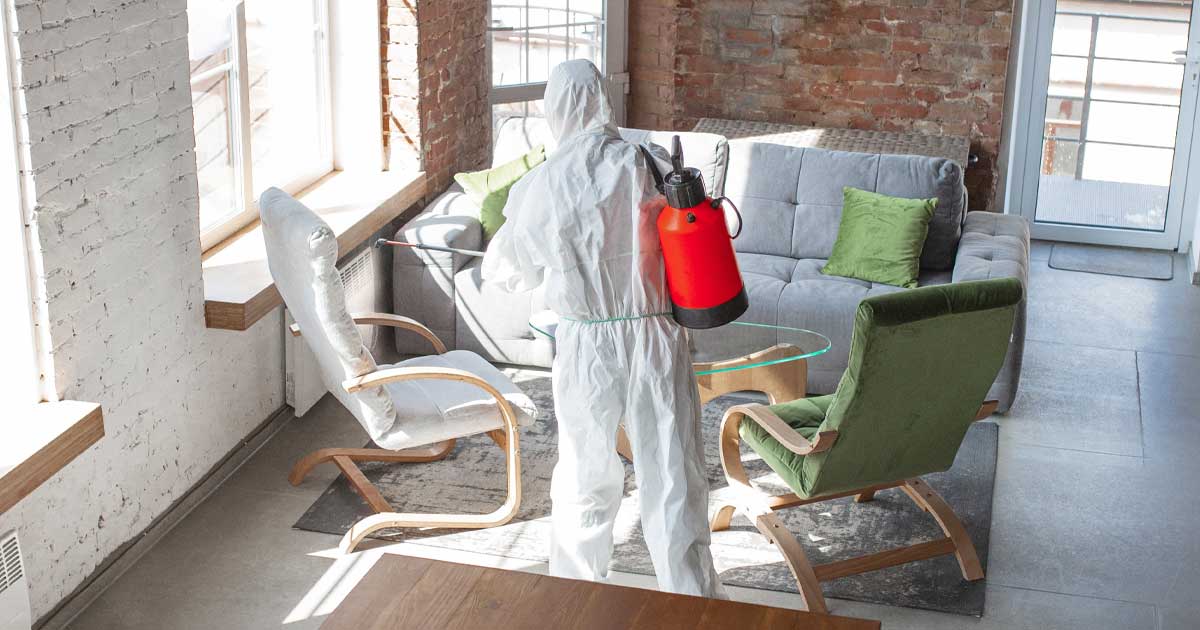
What Are the Most Common Environmental Claims?
Common environmental claims often involve conditions that damage building materials, create potential exposure concerns, or require specialized cleanup and disposal.
The most frequent types include:
-
Water intrusion and mold
-
Accidental asbestos disturbance
-
Lead-based paint and lead dust
-
Sewage or biohazard contamination
-
Chemical and fuel spills
-
Improper waste handling
-
Smoke, soot, and contaminated fire debris
The specific risk depends on the property’s age, use, maintenance history, location, and renovation activity.
1. Water Intrusion and Mold Claims
Water intrusion is one of the most common causes of environmental damage in both residential and commercial properties. Leaks may come from roofs, plumbing systems, windows, appliances, sprinkler lines, HVAC equipment, or stormwater. In some cases, the problem is immediately visible. In others, moisture can remain hidden behind walls, under flooring, above ceilings, or inside insulation.
When moisture is not identified and corrected quickly, affected materials can deteriorate and mold may develop. This can expand the original scope of work, increase repair costs, disrupt occupancy, and lead to complaints from tenants or residents.
Property teams can reduce this risk by regularly inspecting known problem areas, especially roofs, plumbing lines, windows, mechanical rooms, and HVAC drainage systems. When water damage is discovered, the source should be addressed promptly and the affected materials should be evaluated. It is also important to document the date, time, apparent source, visible damage, affected rooms, and immediate response actions. A clear record helps property managers, contractors, and insurance representatives understand how the incident developed.
2. Asbestos-Related Claims
Asbestos-related claims often begin when a building material is disturbed during renovation, demolition, restoration, or routine maintenance. Materials such as flooring, adhesive, ceiling texture, drywall systems, insulation, roofing products, cement materials, fireproofing, and HVAC components may contain asbestos, particularly in older buildings.
Because asbestos cannot be confirmed by appearance alone, work should not begin until the materials that may be disturbed have been properly reviewed. Cutting, drilling, sanding, scraping, or removing an unknown material can result in a work stoppage, additional testing, expanded containment, cleaning requirements, and delays for other contractors.
Before invasive work begins, property managers should review available building records, identify the materials included in the project, and confirm whether an appropriate survey or inspection has already been completed. If an unexpected material is disturbed, work should stop immediately. Access should be restricted, the area should remain undisturbed, and qualified environmental professionals should be contacted to determine the next steps. We pieced togheter a quick guide to help you out!
3. Lead-Based Paint Claims
Lead-related claims may arise when painted surfaces are damaged or disturbed during repair, renovation, maintenance, or demolition. Older buildings require particular attention because sanding, scraping, drilling, or removing painted materials can create dust. Windows, doors, trim, railings, stairs, and exterior surfaces are common areas where lead-based paint may be present.
The risk is greater when work is performed in occupied buildings, especially residential properties or facilities used by children. Poor containment, uncontrolled dust, and incomplete cleanup can create additional exposure concerns and extend the project.
Property teams can minimize risks by keeping detailed records about the building’s age, paint history, and any previous renovation work. Contractors should be properly qualified, and the work area should be contained before any painted surfaces are disturbed. Access to the area should be restricted during the project, and cleaning and documentation procedures should be established in advance. Lead risk management should be integrated into routine maintenance planning, rather than being addressed only during major construction projects.
4. Sewage and Biohazard Claims
Not every water loss involves clean water. Sewage backups, drain failures, toilet overflows, animal waste, trauma scenes, and other biological materials may require a more controlled response than standard maintenance or janitorial cleaning.
Contamination can affect flooring, drywall, cabinets, furniture, HVAC components, and surrounding occupied areas. Porous materials may absorb contaminants and may not be suitable for ordinary cleaning. Delays can increase odor, spread contamination, and complicate restoration.
Property managers should restrict access to the affected area and ensure that only trained employees handle contaminated materials. The response should encompass the removal of damaged materials, thorough cleaning and disinfection, odor control, waste management, documentation, and communication with residents. Additionally, having a distinct response procedure for sewage and biohazard incidents is crucial, as it enables teams to respond more consistently and prevents these events from being treated as routine water damage incidents.
5. Chemical and Fuel Spill Claims
Commercial and multifamily properties may store or use cleaning products, paints, solvents, pool chemicals, pesticides, fuels, refrigerants, and other maintenance materials. Spills can result from damaged containers, improper storage, equipment failure, contractor activity, vehicle impact, or unauthorized dumping.
A spill may become more serious if the material reaches a drain, soil, landscaping, mechanical system, or occupied area. The situation can also become more difficult when the substance is unknown or when different materials are mixed during cleanup.
Property teams should maintain a current inventory of stored products and ensure that containers are properly labeled, secured, and stored in appropriate areas. Safety information and spill-response supplies should be accessible to staff. When an unknown material is discovered, it should not be moved, mixed, washed away, or disposed of until it has been properly evaluated. The response plan should clearly identify who must be contacted and which environmental vendor is approved to assist.
6. Improper Waste Disposal Claims
Environmental work does not end when damaged or contaminated materials are removed from the building. Certain materials may require specific packaging, labeling, transportation, documentation, and disposal procedures.
Asbestos-containing debris, lead-contaminated materials, mold-damaged porous materials, biohazard waste, chemicals, contaminated soil, and fire-damaged debris may all require special handling. If these materials are managed incorrectly, they can contaminate clean areas, expose workers, create regulatory problems, and leave the property without proof of proper disposal.
Before approving a contractor, property teams should understand how the waste will be classified, packaged, stored, transported, and disposed of. The project file should include relevant manifests, receipts, photographs, reports, and completion documents. These records help demonstrate that the work was completed properly and provide valuable support if questions arise later.
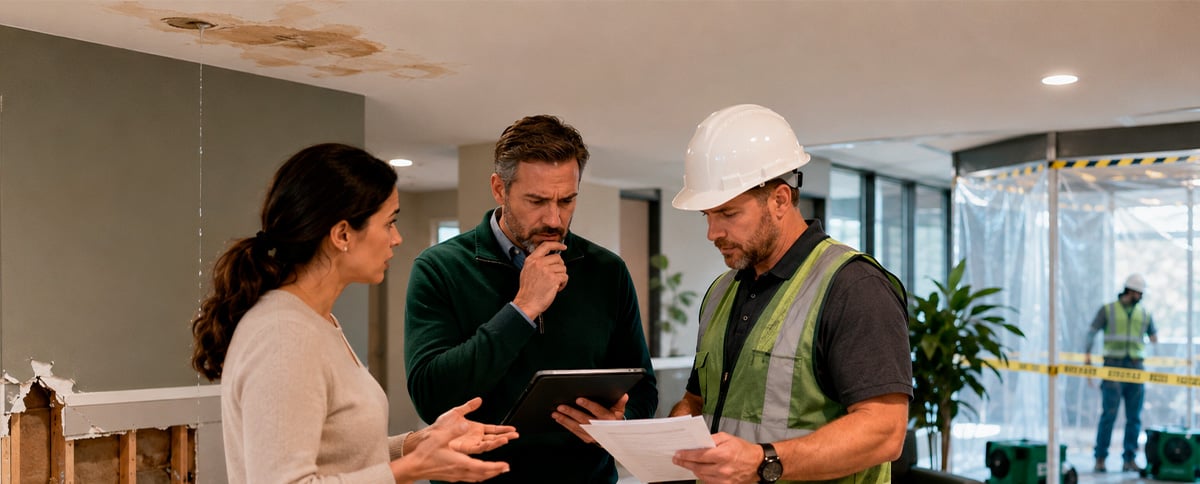
Why Common Environmental Claims Become More Expensive
Environmental claims often escalate because of process failures rather than the original hazard alone. Reports indicate that common causes include delayed reporting, incomplete documentation, poor communication, unclear responsibilities, and work beginning before materials are properly evaluated.
For example, a small leak may become a larger mold project if moisture remains hidden. A renovation may stop unexpectedly if flooring or ceiling materials are removed before an asbestos review. A minor spill may become more complicated when the material is washed into a drain. A strong response process can prevent these mistakes.
What to Do After Discovering an Environmental Hazard
The correct response will depend on the material and severity, but property teams should generally:
- Stop the activity that caused the discovery.
- Restrict access to the affected area.
- Avoid disturbing or moving unknown materials.
- Photograph and document the conditions.
- Record the date, time, location, and people involved.
- Contact the appropriate environmental professional.
- Notify ownership, insurance contacts, or other stakeholders.
- Preserve all reports, proposals, invoices, and project records.
These steps help protect the property, support communication, and create a more organized claim file.
Environmental Claims Prevention Checklist
Property managers and building owners should:
- Maintain emergency contact lists
- Identify approved environmental vendors
- Keep previous asbestos, lead, and mold reports accessible
- Inspect leak-prone areas regularly
- Establish pre-renovation review procedures
- Train maintenance staff to stop work when unknown materials are found
- Maintain chemical inventories
- Create spill and water-loss response plans
- Document incidents with photos and written timelines
- Review contractor qualifications and insurance
- Retain waste disposal and completion records
- Update response plans after major incidents
Why risk management matters: Being proactive about environmental risks does more than save you money. It builds trust with your tenants, insurance partners, and clients. When you work with JJ&S Environmental Services, you’re choosing a team that values prevention as much as remediation.
Curious about creating a tailored prevention plan? Reach out, we’re here to help every step of the way.
How JJ&S Can Help
JJ&S Environmental Services works with property managers, restoration contractors, insurance professionals, general contractors, and building owners throughout California.
Our services include asbestos abatement and removal, lead abatement, commercial mold remediation, biohazard cleanup, and environmental support for fire-damaged properties.
We coordinate with consultants, testing firms, restoration teams, and property representatives to support controlled work areas, clear documentation, and efficient project scheduling.
Common environmental claims cannot always be avoided, but preparation can reduce their impact. Understanding the building, documenting conditions, reviewing materials before work begins, and contacting the right professionals early can help prevent a manageable issue from becoming a larger disruption.
If your property has an active environmental concern or planned work may involve asbestos, lead, mold, or contaminated materials, contact us to discuss the project and determine the appropriate next steps.
Frequently Asked Questions
Learn how property teams can identify environmental risks early, reduce potential claims, and prepare for mold, asbestos, lead, and other hazardous conditions.
How can property managers prevent common environmental claims like mold or asbestos exposure?
Property managers can reduce environmental claims by conducting routine building inspections, responding quickly to leaks, reviewing suspect materials before renovation, and training staff to recognize early warning signs. Maintaining accurate records and working with qualified testing, abatement, and remediation professionals can also help reduce risk and support compliance with applicable safety requirements.
What are the most common environmental insurance claims?
Common environmental insurance claims involve water intrusion and mold, accidental disturbance of asbestos-containing materials, lead-based paint and lead dust, sewage or biohazard contamination, hazardous-material spills, and improper waste disposal. Many incidents become more expensive because of delayed reporting, incomplete documentation, or work beginning before the hazard is properly evaluated.
Why is proactive environmental risk management important for insurance and property claims?
Proactive environmental risk management can reduce project delays, protect property value, improve communication, and create stronger documentation for insurance claims. Routine inspections, emergency response procedures, pre-renovation reviews, and relationships with qualified environmental specialists help property teams respond more effectively when an incident occurs.