For general contractors, construction companies, property managers, and restoration firms, asbestos isn’t just a safety issue — it’s a schedule, compliance, and liability risk. In San Diego, asbestos abatement must be handled by licensed professionals who understand active jobsites, multi-trade coordination, and regulatory documentation.
This article focuses on professional asbestos removal for commercial and construction projects, outlining how experienced asbestos abatement partners support project timelines, reduce exposure risk, and keep work moving without unnecessary delays.
What Professional Asbestos Abatement Means for Commercial Projects
Professional asbestos abatement in San Diego goes beyond simply removing contaminated material. In California, abatement must follow Cal/OSHA and AQMD requirements, including containment, negative air pressure, HEPA filtration, and approved disposal methods. For B2B projects, abatement professionals are responsible for more than material removal — they must operate as a trade partner, not a bottleneck. A qualified asbestos abatement professional supports:
- Trade coordination on active jobsites
- Clear scope boundaries to avoid change orders
- Regulatory compliance with Cal/OSHA and AQMD
- Documentation that protects owners, GCs, and PMs
When Asbestos Abatement Is Required on Projects
On commercial and construction projects, asbestos abatement is typically required when confirmed asbestos-containing materials will be disturbed as part of planned work. Common triggers include:
- Tenant improvements and interior build-outs
- Renovation or demolition of pre-1980 structures
- Insurance-driven restoration projects
- Capital improvement programs on occupied properties
- Mechanical, electrical, or plumbing upgrades impacting regulated materials
In these scenarios, licensed asbestos removal in San Diego becomes a prerequisite before downstream trades can proceed.
Asbestos is a naturally occurring mineral that was once a popular choice in construction materials due to its durability and fire-resistant properties. However, it’s now well-known that asbestos exposure can lead to severe health issues, including lung cancer, asbestosis, and mesothelioma. If you live near San Diego, removing asbestos is crucial to ensure the safety of your home and its occupants.
The Professional Asbestos Abatement Process
Professional asbestos abatement for B2B projects follows a structured, compliance-driven process designed to minimize disruption and protect all parties involved.
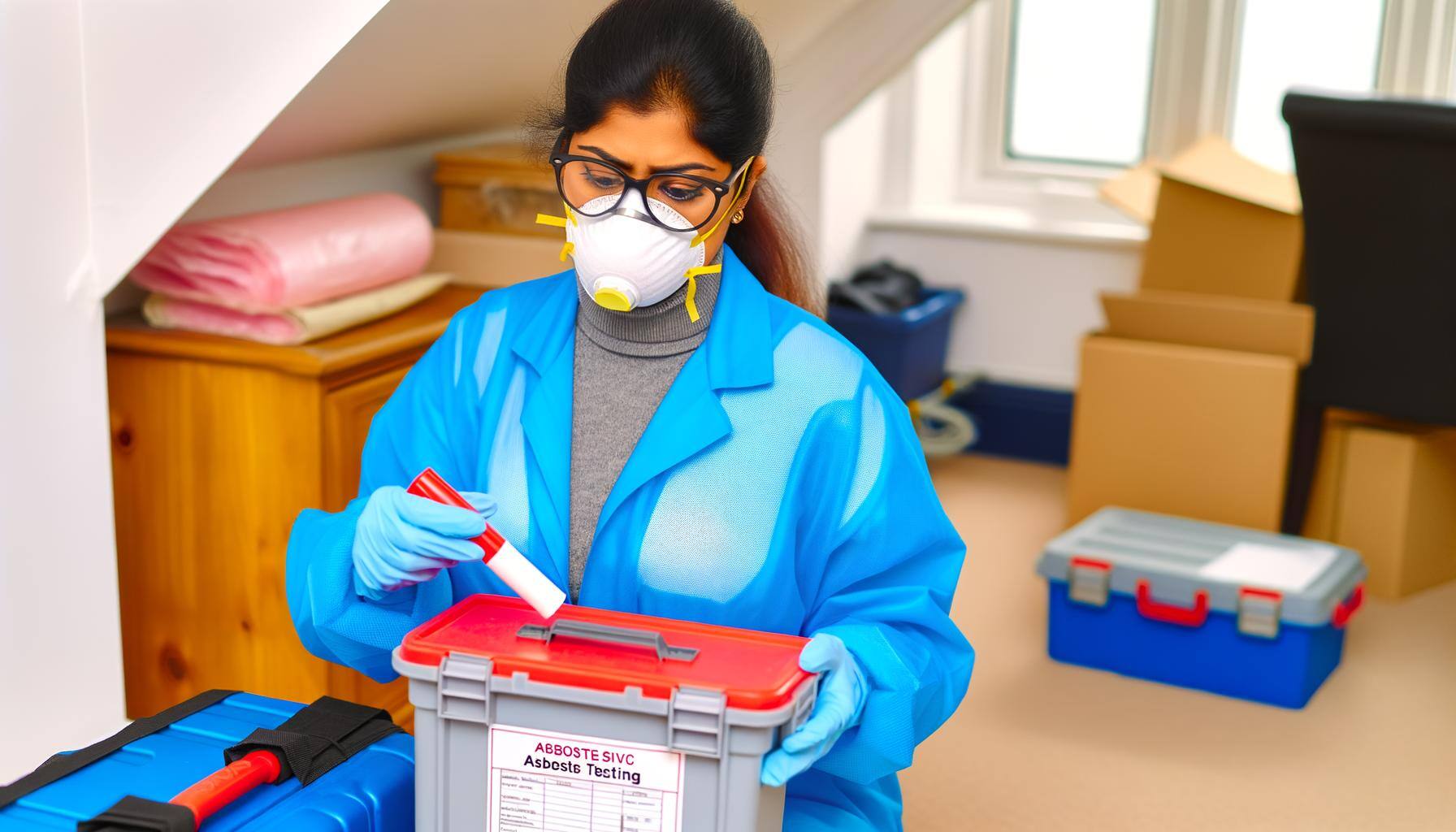
Inspection Coordination and Scope Confirmation: Abatement work begins after asbestos has been identified through certified testing. Scope confirmation ensures removal activities align with project schedules and construction sequencing.
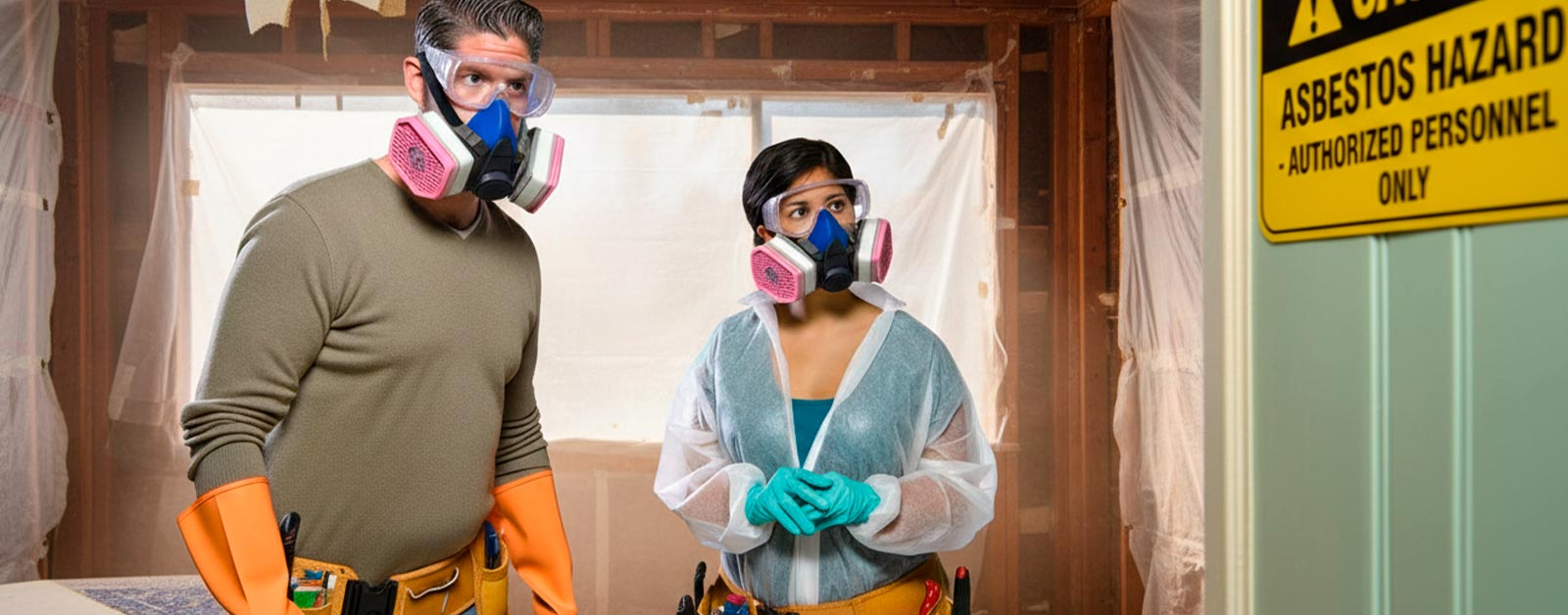
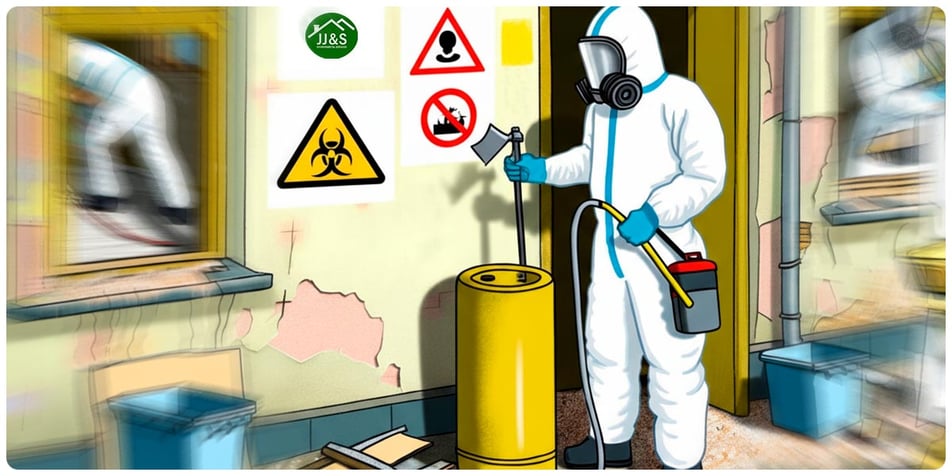
Planning and Containment: Containment areas are established to isolate affected zones. Negative air systems and controlled access points are used to prevent fiber migration and protect adjacent work areas.
Controlled Asbestos Removal: Certified crews perform asbestos removal using regulated methods, specialized equipment, and approved safety protocols. This work is executed with consideration for active jobsites and multi-trade coordination.
Regulated Disposal: All asbestos-containing materials are packaged, labeled, and transported to approved hazardous waste facilities in compliance with local, state, and federal regulations.
Post-Abatement Cleaning and Clearance Readiness: Following removal, work areas are cleaned and prepared for clearance testing or inspection, allowing construction or restoration activities to resume.
This approach allows asbestos abatement to operate as a coordinated trade rather than a disruption to the project.
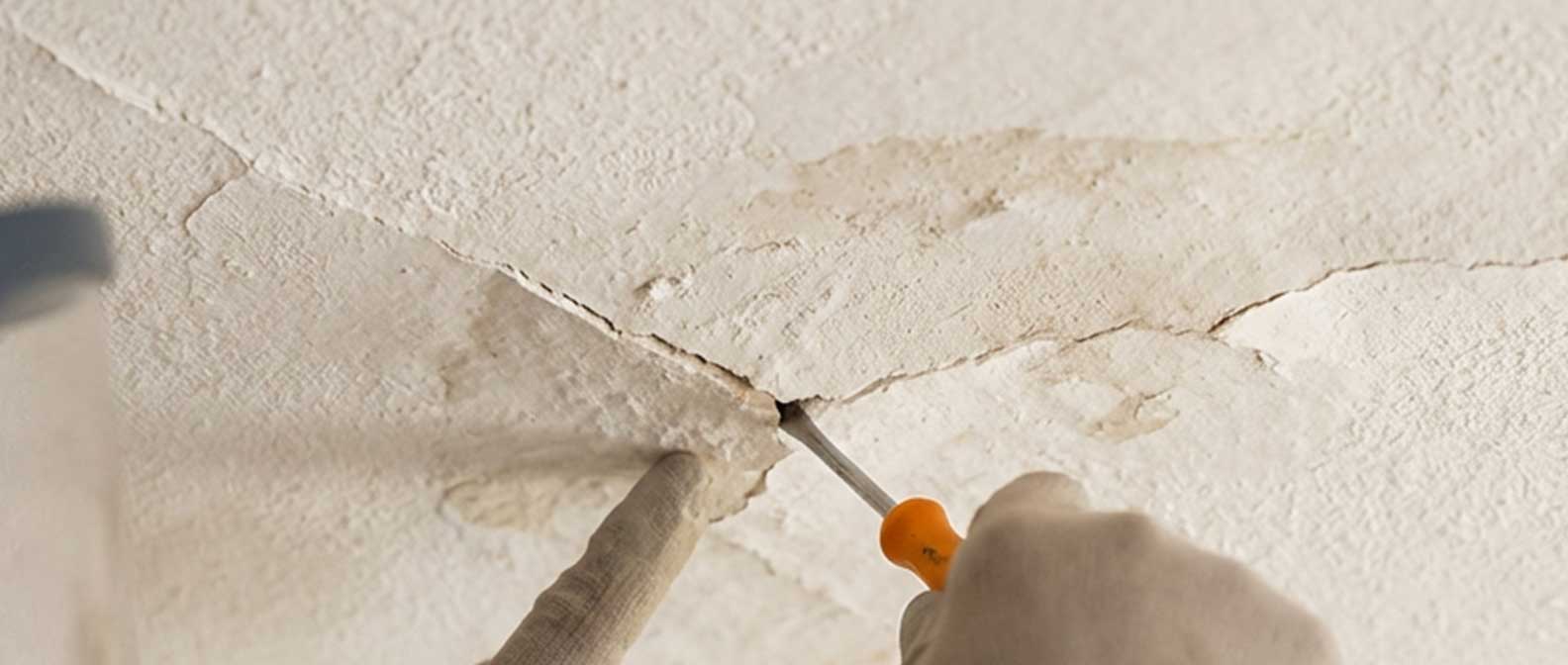
In San Diego, Asbestos was widely used in many building materials, so it’s essential to know where it might be hiding in your home. Here are some common places you might find asbestos: Roof Shingles (see our guide: Don’t Risk Your Health - Asbestos Roof Shingles), Ceiling Tiles, Drywall and Joint Compound, Pipes, Stucco Ceilings, Popcorn Ceiling (check out our guide), Floor Tiles, or Air Ducts.
Factors Influencing Costs for Asbestos Abatement in San Diego
Asbestos abatement costs for commercial and construction projects vary based on several factors. Let's explore them a bit more in-depth:
Project Scope and Size
Larger or phased projects typically require more extensive containment, labor, and coordination, increasing overall cost.
Type of Asbestos-Containing Material
Different materials require different removal methods. Insulation, roofing, and friable materials often involve higher abatement complexity.
Condition of the Material
Friable or damaged asbestos presents higher risk and requires additional controls, which can impact pricing.
Material Location and Accessibility
Asbestos located behind walls, above ceilings, or within mechanical systems may require additional labor and coordination to access safely.
For a deeper breakdown, contractors and property managers should review a detailed asbestos abatement cost guide before finalizing budgets.
Why Asbestos Abatement Is Not a DIY
Asbestos abatement is a highly regulated scope of work because improper handling creates serious health risks for workers and building occupants, along with compliance and liability exposure for contractors and property owners. Airborne asbestos fibers can remain suspended and migrate beyond the immediate work area if containment and removal protocols are not followed correctly.
For this reason, asbestos abatement in San Diego must be performed by licensed professionals with specialized training, equipment, and regulatory oversight. Unlike general trades, professional asbestos removal requires controlled containment, negative air systems, certified crews, and documented disposal procedures to protect worker health and maintain compliance on active jobsites.
Attempting asbestos removal as a DIY task or general trade scope increases the risk of exposure, failed inspections, project delays, and long-term liability - outcomes that professional asbestos abatement is designed to prevent.
At JJ&S Environmental Services, we partner with top asbestos testing companies in San Diego to ensure the entire process is seamless (from initial testing to final clearance). If asbestos is found in your project or home, we take care of everything, so you don’t have to worry. Our team is committed to providing quality services, ensuring your home is safe and asbestos-free.
Key Takeaway for Contractors & Property Managers
For contractors and property managers, asbestos is not just a material concern — it is a health, compliance, and project-delivery risk. Once asbestos is confirmed, professional asbestos abatement in San Diego becomes a critical step to protect worker safety, maintain regulatory compliance, and keep projects moving without costly interruptions.
Partnering with licensed asbestos abatement professionals who understand active jobsites helps reduce exposure risk, prevent delays, and ensure clean handoffs between trades while safeguarding both people and project outcomes.
In summary, dealing with asbestos in a location is a serious matter, but with the right information and professional help, you can ensure your home is safe and secure. At JJ&S Environmental Services, we are committed to providing expert asbestos abatement services in San Diego and all of California. From the initial inspection to the final clearance, our team is here to guide you every step of the way.
Ensure Your Home is Safe!
Don’t leave your safety to chance — trust the experts at JJ&S Environmental Services to handle all your asbestos testing and abatement needs. Reach out to us today to schedule a consultation or learn more about how we can help you. Click the link below to visit our contact form and take the first step towards a safer, asbestos-free environment.
Frequently Asked Questions
How do professional abatement teams prevent cross-contamination on active jobsites?
Professional asbestos abatement relies on strict containment protocols, controlled access, and documented verification at every stage of the job. Containment is installed, secured, and visually documented before work begins. Time-stamped photos and videos provide objective proof that containment remained intact, which is critical if questions or claims arise after the work is completed.
What happens if a property owner or tenant claims contamination or damage after abatement?
Documentation is a key risk-management tool on asbestos abatement projects. Professional abatement teams maintain photo and video records showing site conditions before, during, and after work. If abatement-related damage occurs, it is addressed directly. When claims are unrelated to the abatement scope, documentation helps confirm pre-existing conditions or identify other responsible parties, protecting contractors and restoration partners from unnecessary disputes.
Why is documentation required before asbestos abatement work begins?
Asbestos abatement is a regulated scope involving multiple stakeholders, occupied properties, and strict compliance requirements. Missing or incomplete paperwork can lead to payment disputes, inspection issues, or legal exposure. Professional abatement teams require all approvals and documentation to be completed before work begins and maintain records throughout the project lifecycle.
How does quality assurance and quality control reduce project risk?
Dedicated quality assurance and quality control oversight ensures asbestos abatement work follows approved procedures consistently. Each project is reviewed using standardized checklists before, during, and after execution, with supervisors documenting containment, preparation, and safety measures. This structured process significantly reduces delays, rework, and liability exposure for contractors and property managers.
How does a managed asbestos abatement process protect project schedules?
When asbestos abatement is treated as a managed trade rather than an ad-hoc task, projects benefit from predictable execution. Clear documentation, verified containment, and QA/QC oversight allow abatement work to integrate smoothly into construction or restoration schedules and hand off cleanly to downstream trades.