What To Do If You Accidentally Removed an Asbestos Popcorn or Stucco Ceiling
|
Immediate Steps After Accidentally Removing an Asbestos Ceiling
1. Stop Work Immediately and Isolate the Area
If you suspect asbestos, stop all activity right away.
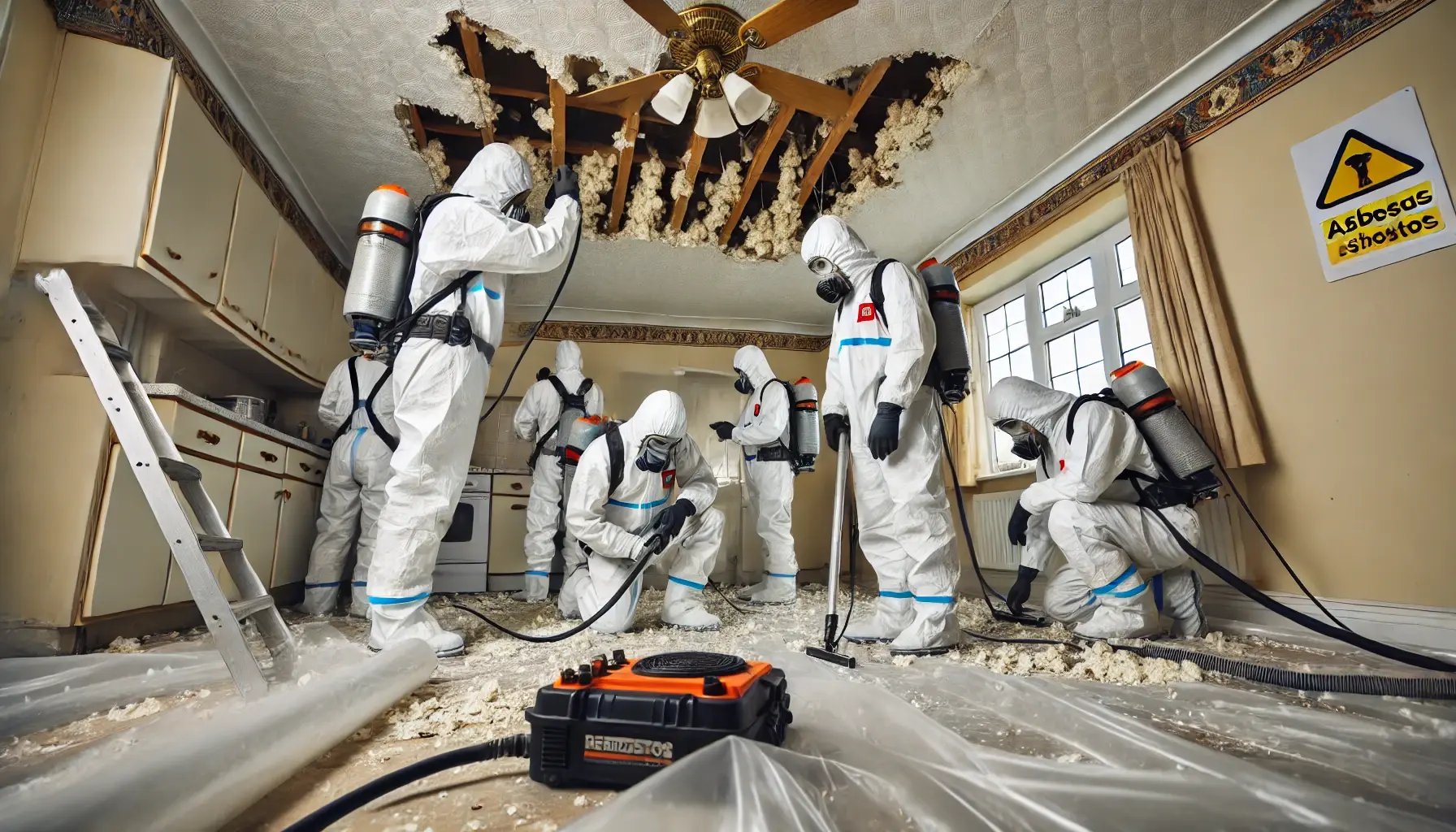
Do not continue scraping, sanding, sweeping, or attempting cleanup. Close doors to the affected room to prevent fibers from spreading to other areas. Asbestos becomes dangerous when disturbed and airborne. If asbestos is confirmed, it's crucial to seal off the room to prevent contamination. Professionals like JJ&S use proper equipment to isolate the area, minimizing the risk of asbestos fibers becoming airborne during the removal process.
2. Do Not Sweep, Vacuum, or Use Fans
Never use:
- Household vacuums
- Brooms
- Shop-vacs
- HVAC systems
- Fans
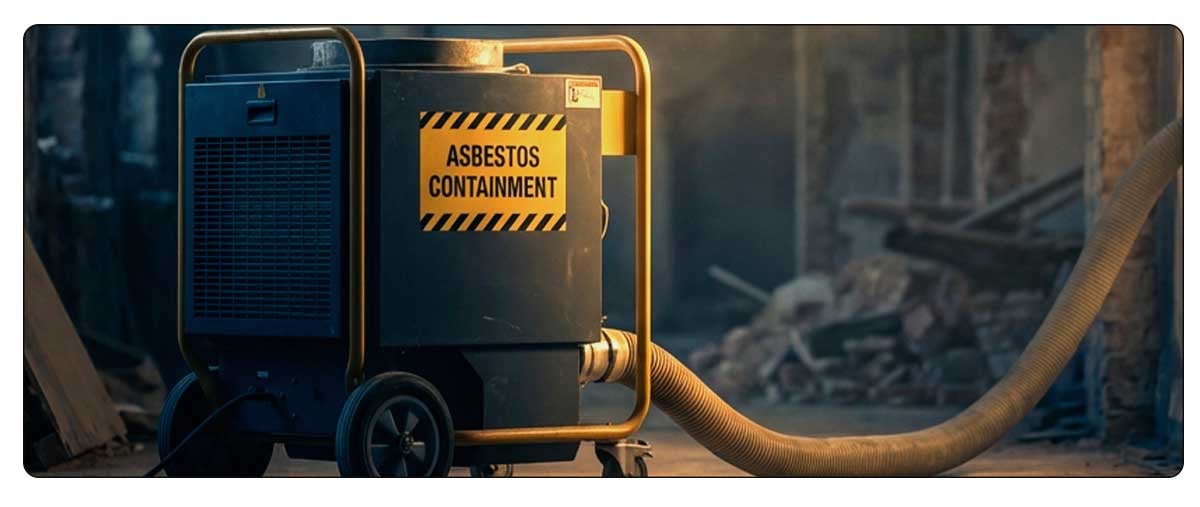
These actions can spread microscopic asbestos fibers throughout the property. Only HEPA-filtered negative air systems designed for asbestos containment should be used — and only by licensed professionals.
3. Safe Removal by Professionals
Contact a Licensed Asbestos Abatement Company. Handling asbestos is not a DIY job. A certified asbestos abatement company will:
- Conduct material sampling (if not already tested)
- Establish proper containment with plastic sheeting
- Use negative air pressure systems
- Remove material following regulatory protocols
- Perform air clearance testing
- Provide documentation for compliance
Professional containment drastically reduces health risks and legal exposure.

How Do You Know If Your Stucco or Popcorn Ceiling Contains Asbestos?
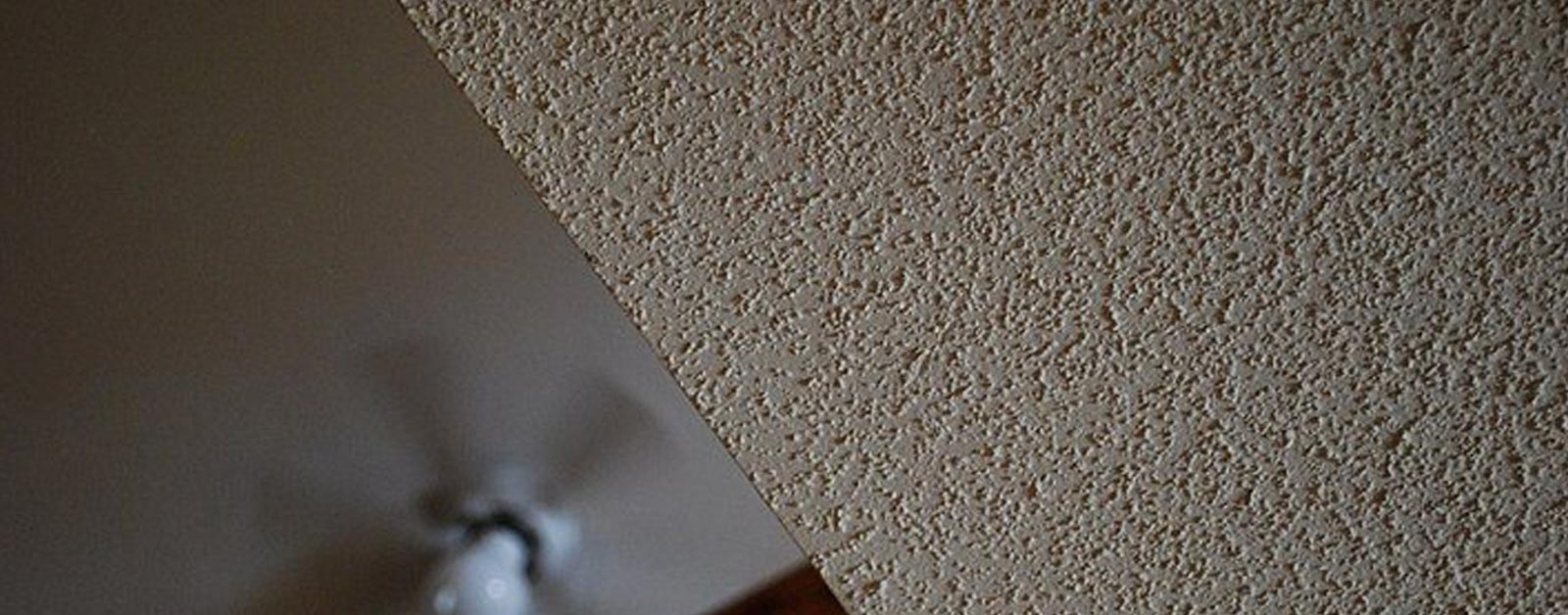
There is no reliable visual method to confirm asbestos. Common risk factors include:
- Homes built before 1985
- Textured popcorn ceilings
- Decorative stucco ceiling finishes
- Materials that appear chalky, brittle, or layered
The only way to confirm is through a professional environmental company using a collected sample. If you’re unsure, assume potential asbestos presence until proven otherwise. We're also sharing some common questions we heard from our clients and partners:
- How do you know if stucco is bad?
Cracks, bulging, crumbling, or water damage may indicate structural deterioration. However, visible damage does not confirm asbestos. If the building was constructed before the 1980s, testing is strongly recommended. Stucco ceiling asbestos materials were commonly used in older textured finishes, and laboratory analysis is the only definitive way to know.
- What is the most serious problem with exterior stucco?
Exterior stucco can trap moisture, which leads to mold growth and structural damage. If the stucco contains asbestos, physical deterioration increases the likelihood of fiber release. Damaged asbestos-containing materials become hazardous when disturbed, especially during renovations or repairs.
- Should I avoid stucco?
Modern stucco that does not contain asbestos is generally safe when properly maintained. However, older properties with asbestos stucco ceilings require caution. If renovation or demolition is planned, professional testing should always come first to avoid accidental exposure.
- What is the hazard of stucco?
The hazard arises when stucco contains asbestos and becomes disturbed. Inhaling airborne asbestos fibers has been linked to serious illnesses such as lung cancer, mesothelioma, and asbestosis. These diseases often develop decades after exposure, which is why proper containment and professional removal are critical.
- Is stucco dust toxic?
Yes, if the stucco contains asbestos, the dust can be toxic. Asbestos fibers can become airborne during disturbance, posing serious health risks.
- Does stucco need to breathe?
Stucco requires some degree of permeability to allow moisture to escape. However, excessive moisture can lead to damage and mold growth.
- What building materials still contain asbestos?
Older building materials such as insulation, ceiling tiles, flooring, and even some types of plaster may still contain asbestos. It's crucial to have these materials tested if you're unsure.
|
Understanding the Risks of Asbestos Exposure
Health Hazards of Asbestos
Asbestos exposure is no joke. Asbestos fibers are microscopic and can remain suspended in the air when materials like popcorn or stucco ceilings are disturbed. When inhaled, asbestos can lodge in your lungs, leading to serious health issues like lung cancer, mesothelioma, and asbestosis. These diseases often take years or even decades to develop, which is why accidentally removing asbestos popcorn ceiling is such a big deal.
According to the United States Environmental Protection Agency, asbestos-containing materials are most dangerous when they are damaged or disturbed. That is why accidental removal of an asbestos popcorn ceiling requires immediate professional evaluation.
Why Asbestos Was Used in Popcorn Ceilings
Back in the day, asbestos was a miracle material. It was cheap, fire-resistant, and had great insulating properties. That's why it ended up in so many building materials, including the textured ceilings we know as popcorn ceilings. However, we now know that the health risks far outweigh any benefits.
|
Did you know that you could also find asbestos in roof shingles? |
Immediate Actions to Take After Accidental Asbestos Removal
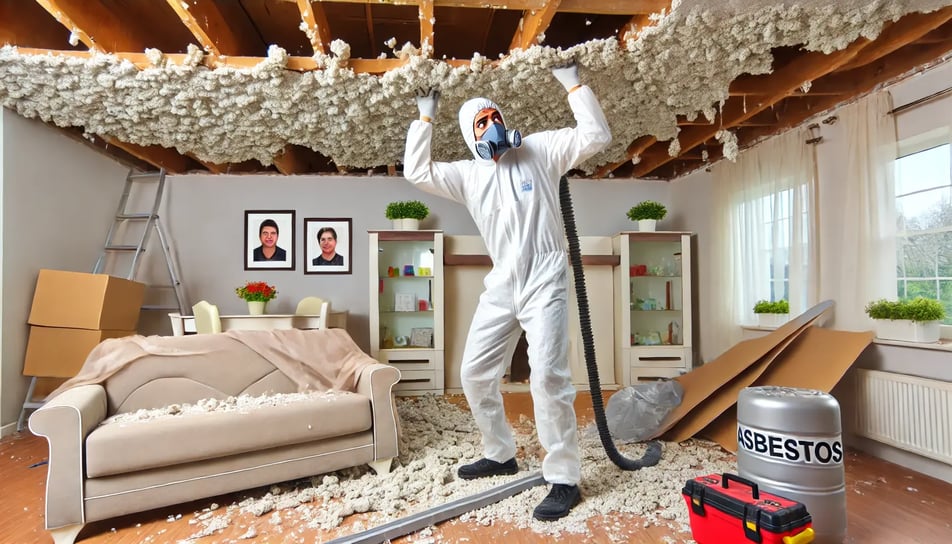
Stop all work immediately and leave the area. Close doors behind you to contain potential contamination. Avoid attempting cleanup using household vacuums or brooms, as these methods can disperse fibers further.
Ventilation should be minimized. Running fans or HVAC systems can spread fibers to unaffected areas. If re-entry is absolutely necessary, it should be brief and performed with appropriate protective equipment, including disposable coveralls and a properly rated respirator.
-
Evacuate the Area: Get out of the room and make sure anyone else in the house does too. Close the door behind you to contain any potential contamination.
-
Notify everyone on the property: Make sure everyone in your home or building knows about the situation. Communication is key to ensuring everyone's safety.
-
Ventilate the area minimally, if at all: Avoid using fans or HVAC systems to prevent the spreading of asbestos fibers throughout the house. If ventilation is necessary, do it minimally and cautiously.
Using personal protective equipment (PPE)
If you must re-enter the contaminated area before professionals arrive, limit exposure as much as possible. Wear disposable protective clothing and an N100-rated respirator. After leaving the area, remove protective equipment carefully and seal it in a bag. Wash exposed skin thoroughly.
Even short-term exposure can create anxiety, so professional air testing after abatement is often recommended to confirm the environment is safe. Please minimize exposure to an absolute minimum. Avoid any actions that could create dust or disturb the materials further.
Decontamination Procedures
If you’ve been in the contaminated area, carefully remove your PPE and place it in a sealed bag. Wash your hands and face thoroughly to remove any potential fibers.
Contacting A Professional Asbestos Abatement Service
Professional asbestos abatement includes inspection, laboratory confirmation, containment setup, controlled removal, HEPA filtration, and final air clearance testing. Licensed contractors follow strict regulatory protocols to ensure safe disposal and documentation.
When selecting a contractor, verify certifications, insurance coverage, and experience with asbestos ceiling removal. A reputable company will provide a clear scope of work and explain the containment procedures being used.
Finding Certified Asbestos Contractors
When dealing with a potential asbestos popcorn or stucco ceiling, choosing a certified asbestos abatement contractor is critical. Not all demolition or restoration companies are licensed to handle asbestos-containing materials safely and legally.
Look for contractors who hold proper state certifications, carry active liability insurance, and follow federal and state asbestos regulations. In California, asbestos removal is strictly regulated, and licensed professionals must follow detailed containment, disposal, and documentation protocols.
JJ&S Environmental Services is a licensed asbestos abatement company that specializes in popcorn and stucco ceiling removal. Our team follows strict containment procedures, including negative air pressure systems, HEPA filtration, and controlled removal methods to prevent cross-contamination.
Don’t leave your safety to chance — trust the experts at JJ&S Environmental Services to handle all your asbestos abatement needs. We support the entire asbestos process, beginning with a thorough inspection and, if necessary, ensuring the property is safely cleared of asbestos using approved procedures.
Reach out to us today to schedule a consultation or learn more about how we can help you. Click the link below to visit our contact form and take the first step towards a safer, asbestos-free environment.
We’re here to make sure your home is safe, secure, and ready for whatever comes next!
What to expect during the abatement process
A professional service will assess the contamination, create a plan for safe removal, and execute the cleanup while ensuring minimal risk to your household.
To avoid overpaying, we recommend reading this guide where we go over the true costs of getting rid of asbestos.
Should I clean up contaminated Debris?
No. Attempting to clean asbestos debris yourself significantly increases the risk of inhalation and cross-contamination. Standard vacuums and dry sweeping methods are ineffective and unsafe. Waiting for certified professionals reduces exposure and ensures compliance with environmental regulations.
Conducting air quality testing after asbestos exposure
Air quality testing ensures that no asbestos fibers remain in the air, providing peace of mind that your home is safe. Professionals will take air samples from various parts of your home and analyze them in a lab to check for asbestos fibers.
To ensure accurate and reliable results, we recommend partnering with one of the following trusted asbestos testing companies across California (Los Angeles, San Diego, Orange County, etc.):
- Charles Taylor: Known for their comprehensive environmental consulting services, Charles Taylor provides detailed asbestos inspection and testing, ensuring your property is thoroughly evaluated.
- Airtech: Airtech specializes in air quality testing and asbestos inspection, offering advanced technology to detect asbestos accurately in any environment.
- Express Air: With a focus on quick and reliable results, ExpressAir provides efficient asbestos testing services, making sure your home is safe and asbestos-free.
- SafeGuard Environmental: Safeguard offers extensive asbestos inspection services, using state-of-the-art equipment to ensure thorough detection and assessment of asbestos-containing materials.
- Rarefied Air: Rarefied Air is known for its meticulous asbestos testing and inspection services, providing detailed reports and recommendations to ensure the safety of your home.
These companies are our trusted partners, and we recommend their services to ensure the safety and accuracy of your asbestos inspection and testing.
Health Monitoring and Medical Advice
When to seek medical help
If you believe you were exposed after accidentally removing an asbestos popcorn ceiling or disturbing a stucco ceiling asbestos material, consult a healthcare provider as soon as possible. While short-term exposure does not automatically mean illness, documenting the incident and discussing it with a medical professional provides peace of mind and establishes a health record.
Early evaluation is especially important if you experience persistent coughing, shortness of breath, or chest discomfort. Although asbestos-related diseases often develop decades after exposure, proactive medical guidance is always recommended.
Health Monitoring Protocols
Regular check-ups and monitoring are crucial if you’ve been exposed to asbestos. Keeping your doctor informed about any potential exposure, whether from an asbestos stucco ceiling or popcorn ceiling removal, ensures that your long-term health can be tracked appropriately. Consistent medical documentation is also valuable for insurance or legal purposes.
Long-term Health Considerations
Asbestos-related illnesses such as mesothelioma, lung cancer, and asbestosis typically have long latency periods, often developing 20 to 40 years after exposure. This delayed onset is one reason accidental asbestos disturbance must be taken seriously.
Even if you feel fine after accidentally removing an asbestos popcorn ceiling, ongoing awareness and regular health screenings are prudent. Staying vigilant allows for early detection and better health outcomes should any asbestos-related condition arise.
The Role of Insurance in Asbestos Abatement
Some insurance policies may provide coverage for accidental asbestos disturbance. It is important to document the incident, avoid further disturbance, and contact your provider promptly. An adjuster may evaluate the contamination and determine coverage eligibility.
Long-term prevention and safety measures
If your property was built before the 1980s, consider professional inspection before renovations. Avoid disturbing textured ceilings unless they have been tested. Preventive testing is far safer and more cost-effective than emergency remediation after accidental exposure.
Legal and Regulatory Considerations
Homeowners, restoration companies, and property managers all have legal responsibilities when dealing with asbestos-containing materials. Improper handling can lead to fines, lawsuits, and project delays. Regulatory compliance protects not only health but also financial liability.
Failure to follow asbestos regulations can result in serious penalties, especially in commercial settings. You can learn more about asbestos legislation on the US Environmental Protection Agency Website.
Regulations for restoration companies and property managers
Restoration companies and property managers must follow strict regulations regarding asbestos removal and disposal. Non-compliance can result in hefty fines and legal consequences.
Penalties for non-compliance
Ignoring asbestos regulations can result in significant financial penalties, project shutdowns, and serious legal consequences. Federal and state agencies strictly enforce asbestos handling requirements, especially when asbestos-containing materials are disturbed during renovation or demolition.
Improper removal of an asbestos popcorn or stucco ceiling can trigger fines, mandatory remediation orders, and potential lawsuits from tenants, employees, or property owners. In commercial settings, non-compliance may also lead to contract termination, insurance complications, and long-term reputational damage. Whether you are a homeowner, restoration contractor, or property manager, ensuring that asbestos removal is handled by a licensed abatement professional is the safest way to avoid costly penalties and liability exposure.
|
Frequently Asked Questions
What should I do if I accidentally disturb asbestos popcorn ceiling?
Immediately stop any further disturbance, avoid the area, and contact a profession
How long does the asbestos removal process take?
The duration depends on the size and complexity of the project, ranging from a few days to several weeks. A professional company can provide a more accurate timeline after inspection.
Are there any government programs to assist with asbestos removal costs?
Some regions offer financial assistance or grants for asbestos abatement. Check with local government agencies or environmental health departments for available programs. You can find more information on the government's official page here.
How much does it cost to remove stucco from a house?
The cost of removing stucco can vary widely depending on the extent of the work and the presence of asbestos. Professional abatement by JJ&S ensures safe removal, and you can get a detailed estimate based on your specific situation.
What are the latest regulations regarding asbestos removal?
Regulations can vary by region, but generally include strict guidelines for handling, removal, and disposal of asbestos. Always hire certified professionals who adhere to current regulations. We suggest checking the California Code Of Regulation for further information.
Is asbestos in plaster bad?
Yes, asbestos in plaster can be hazardous if it is disturbed. As with stucco, any damage can release harmful fibers into the air, increasing the risk of serious health issues.
What is the lifespan of stucco?
Stucco can last 50 years or more with proper maintenance. However, wear and tear, along with moisture issues, can shorten its lifespan, especially if asbestos is present.
Is stucco non-toxic?
Stucco itself is generally considered non-toxic. However, if it contains asbestos, it poses serious health risks when disturbed. Always consult with professionals like JJ&S to ensure your asbestos stucco ceiling is safely managed.
Benefits of Choosing JJ&S Environmental Services
At JJ&S Environmental Services, we pride ourselves on offering comprehensive, professional, and efficient asbestos, mold & lead abatement services tailored to meet your needs. Here’s why you should choose us:
- Expertise and Experience: With over a decade of experience, our certified asbestos technicians are equipped with the knowledge and skills to handle any asbestos abatement project, ensuring safety and compliance.
- Comprehensive Services: From initial inspection and testing to removal and disposal, we provide a full range of services to address all your asbestos concerns. We also offer post-abatement testing to guarantee your home is safe and asbestos-free.
- Trusted Partners: We collaborate with top asbestos testing companies like Charles Taylor, Airtech, ExpressAir, Safeguard, and Rarefied Air to provide accurate and reliable testing services.
- Customer-Centric Approach: Your safety and satisfaction are our top priorities. We offer transparent pricing, detailed quotes.