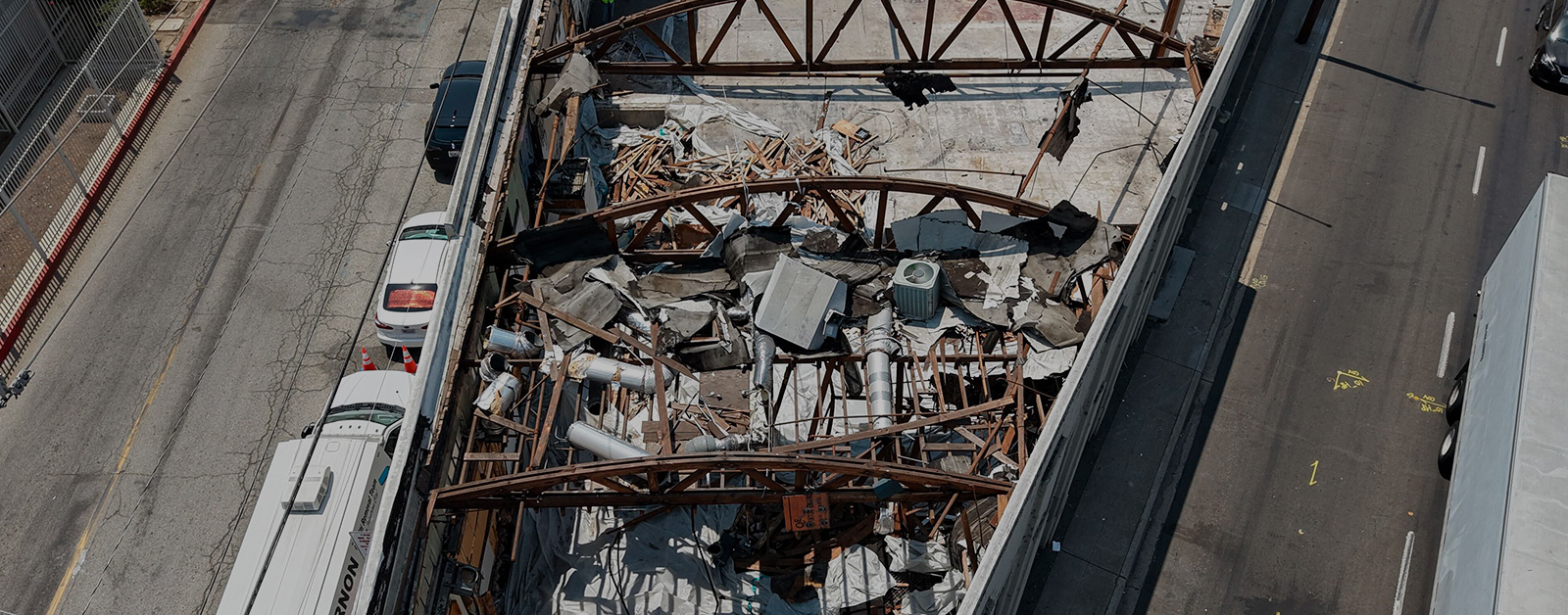
Commercial renovation projects depend on timing, access, and clear coordination.
Each phase affects the next. Trades need to know when they can enter the work area. Property teams need visibility. Tenants need communication. Owners need the project to keep moving without unnecessary interruptions.
When asbestos-containing materials are discovered during construction, that rhythm can change quickly.
What starts as a small area of concern can affect the complete schedule, compliance requirements, testing coordination, disposal planning, communication, and overall project cost. In many commercial projects, the challenge is not only the asbestos itself. It is the disruption that happens when the issue is not planned, documented, and managed correctly.
For property managers, contractors, facility teams, and other professionals working in commercial renovation, asbestos can become a serious project delay when the right process is not in place early.
Why Asbestos Disrupts More Than One Work Area
Commercial renovation work usually moves in a sequence. One trade finishes so the next one can begin. Demolition opens access for mechanical or electrical work. Walls may need to stay open until inspections are complete. Flooring, ceiling, and finish work often depend on everything before them staying on schedule.
When asbestos is identified in the middle of that process, the schedule can change quickly.
Work may need to pause while the material is inspected, tested, contained, removed, and cleared (if asbestos or hazardous materials are found). Even when the affected area is limited, the impact can reach beyond that specific space. Contractors may need to adjust their schedule and property teams may need to update tenants. Owners may need to understand how the timeline is being affected.
This is where asbestos becomes more than a field issue. It becomes a coordination issue. It's important to address that without clear communication, teams can lose time trying to confirm who is responsible, what needs to happen next, and when the project can safely continue. A structured environmental team helps keep that process organized, so the project does not turn into a moving target.
Where Asbestos May Be Found in Commercial Properties
In many commercial renovations, asbestos is not discovered during the planning stage. It is often hidden behind previous buildouts, newer finishes, or areas that are not opened until work is already underway.
Older buildings may contain asbestos in ceiling systems, flooring, pipe insulation, wall materials, fireproofing, adhesives, or mechanical spaces. Some of these areas may look routine from the outside, but once demolition begins, the scope can change.
That is when the issue becomes more difficult to manage. Trades may already be scheduled, equipment may already be on site, and tenants may be expecting the work to be completed within a specific window. Instead of following the original plan, the project now has to pause, assess the material, and coordinate the next steps before work can continue safely.
Why Coordination Makes the Difference
The difference between a manageable asbestos issue and a major delay often comes down to how the response is coordinated.
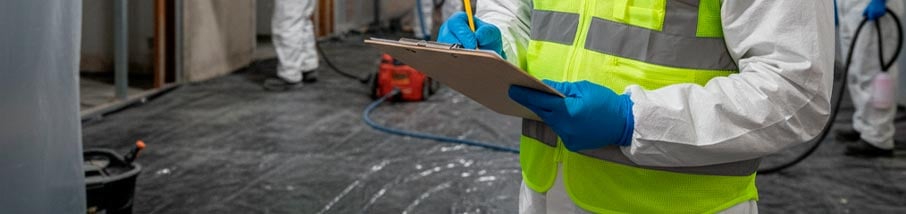
A commercial abatement process should not feel disconnected from the rest of the renovation. It needs to fit into the project schedule, communication flow, and documentation process. That includes inspection, containment, removal, disposal, clearance, and reporting. Each step needs to happen in the right order, with the right people informed along the way.
For JJ&S Environmental Services, this is where daily communication and QA/QC oversight are important. Contractors and property teams must know what has been completed, what is still pending, and what comes next.
|
When that visibility is missing, small issues can turn into larger delays. When the process is organized, teams can make decisions faster, reduce confusion, and keep the project moving with more control. |
It's important to reinforce the message that compliance should not be treated as a separate step. Asbestos work comes with specific procedures and documentation requirements. Depending on the project, this may include inspections, regulated handling, containment, transportation, disposal documentation, and clearance before other trades can return to the area.
These requirements are necessary, but they can slow a project down when they are handled separately from the renovation workflow. For commercial teams, the goal is not to bypass compliance but rather to manage it correctly while keeping the project organized.
That requires communication between the environmental team, general contractor, property manager, and any other stakeholders involved. When documentation is handled properly and each step is followed in sequence, compliance becomes part of the project plan instead of a last-minute obstacle.
Why Small Delays Can Grow Quickly
Asbestos-related work does not move like a normal construction task. Once suspect material is identified, the project usually has to move through a controlled sequence before other trades can safely return to the area.
That sequence matters because it is not just a contractor preference. Under federal asbestos rules, renovation or demolition areas subject to NESHAP requirements must be thoroughly inspected before work begins. If regulated asbestos-containing material is involved, the work may also require containment, proper handling, waste packaging, transportation, disposal at an approved facility, and documentation before the space can be released back into the project schedule.
On the jobsite, that means one delay can affect everything behind it. Inspection has to happen before planning. Planning has to happen before containment. Containment has to happen before removal. Removal has to happen before clearance. Clearance has to happen before demolition, electrical, mechanical, flooring, ceiling, or finish teams can continue in the affected area.
This is why a short pause for testing, documentation, or clearance can quickly become a larger scheduling issue. OSHA also requires asbestos work in regulated areas to be supervised by a competent person, and asbestos waste has to be handled in leak-tight containers. These steps are necessary, but they also add coordination points that can slow the project down if teams are not aligned.
In a commercial property, the impact is rarely limited to one work area. A delay can affect tenant access, occupancy planning, subcontractor scheduling, revenue timing, and overall project delivery. The longer the uncertainty continues, the harder it becomes to keep every stakeholder moving in the same direction.
The Real Cost Is Often the Disruption
For commercial properties, the larger financial impact often comes from disruption. Extended schedules can lead to additional labor costs, rescheduling issues, delayed openings, tenant frustration, and added pressure on property teams to explain what happened. That being said, and from our experience, the cost of asbestos removal is only part of the picture.
In occupied buildings, the situation can become even more sensitive. Access limitations, containment areas, noise, and communication gaps can all affect how tenants experience the project. That is why documentation and daily visibility matter. When stakeholders understand the scope, timeline, and next steps, the project is easier to manage. When they do not, frustration builds quickly.
Turning Asbestos Risk Into a Managed Process
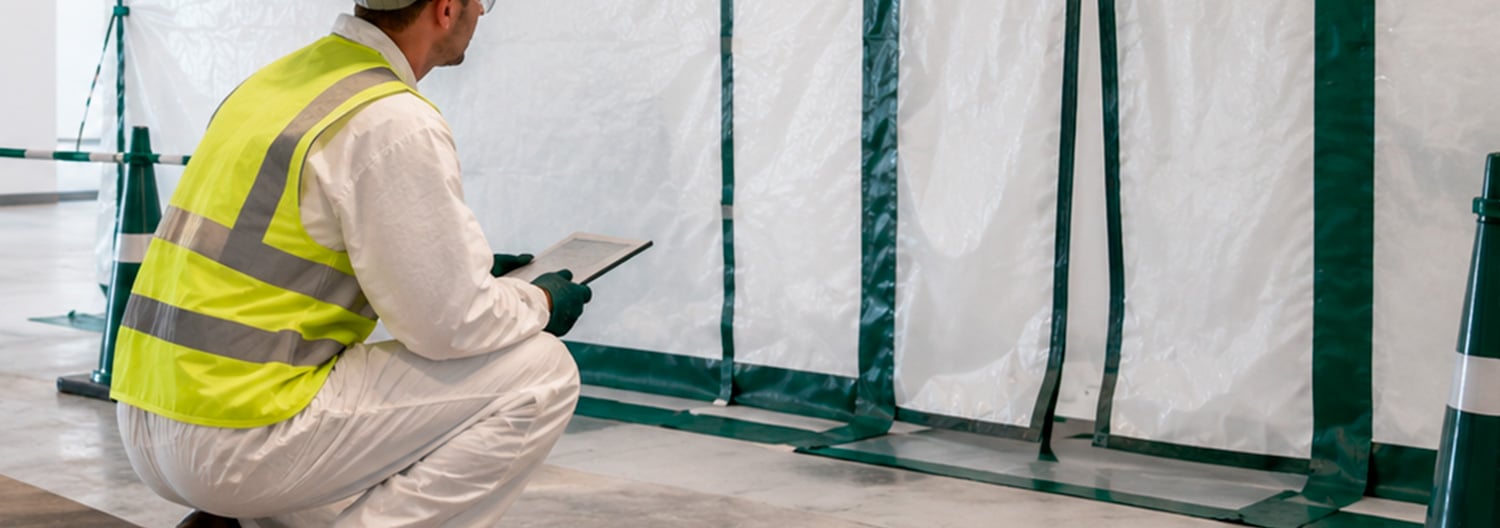
Once asbestos becomes part of a commercial renovation, the goal is not only to remove the material. The larger goal is to control how it affects the surrounding project: the schedule, documentation, communication, compliance steps, disposal requirements, and the trades waiting to continue their work.
That control starts before the first containment barrier goes up. The team needs to understand which materials are involved, where they are located, how they affect the work area, and what must happen before the renovation can continue safely. Inspection, planning, containment, removal, disposal, clearance, and communication all need to be coordinated with the broader construction schedule, not handled as separate tasks after the project is already delayed.
When those steps are organized early, project teams have more room to make decisions. Contractors can adjust sequencing. Property managers can communicate with tenants or the ownership. Documentation can be collected as the work progresses instead of being chased at the end. The result is a cleaner process with fewer surprises, fewer gaps in responsibility, and less uncertainty for everyone involved.
JJ&S Environmental Services works with commercial property teams, contractors, and project stakeholders to support that process from start to finish. This includes coordinating inspections, managing abatement workflows, documenting progress, supporting compliance steps, planning disposal, and providing visibility through daily updates and reporting.
With the right structure in place, asbestos does not have to become a major disruption. It can be handled as part of a controlled process that protects the project, supports compliance, and helps keep work moving forward.
|
Not sure if your team needs help? This form is for asbestos and commercial inquiries only. A certified professional will review your request. |

Frequently Asked Questions
How can asbestos delay a commercial renovation project?
Asbestos can delay a commercial renovation when suspect materials are discovered after work has already started. Before other trades can continue, the material may need to be inspected, tested, contained, removed, disposed of properly, and cleared. If these steps are not coordinated with the renovation schedule, a small issue can quickly affect multiple phases of the project.
Where is asbestos commonly found in commercial buildings?
In older commercial properties, asbestos may be found in ceiling materials, flooring systems, pipe insulation, wall materials, fireproofing, adhesives, and mechanical spaces. These materials are not always visible during early planning and may only be exposed once demolition or renovation work begins.
How can property teams reduce asbestos-related renovation delays?
Property teams can reduce delays by evaluating asbestos concerns early, documenting the scope clearly, and working with an experienced environmental team before the issue becomes urgent. A clear process for inspection, containment, removal, disposal, clearance, and communication helps keep the project organized and reduces uncertainty for contractors, tenants, and ownership.
.jpg)