In abatement projects, cost is often viewed as a function of scope and pricing. But in reality, one of the biggest cost drivers is something less visible: operational efficiency. When processes are not aligned, even small issues can create delays, rework, and unnecessary expenses that impact the entire project.
This article explores how inefficiency increases project costs, where these breakdowns typically occur, and why a well-structured, coordinated approach to abatement leads to better outcomes for contractors, property managers, and insurance partners.
How Inefficiency Increases Project Costs
Inefficient abatement increases costs through delays, miscommunication, and rework. These issues rarely show up as a single line item, but they compound quickly across a project.
Here is where costs typically increase:
-
Delays in project timelines: When abatement is not properly scheduled or coordinated, other trades are forced to wait. This creates downtime, extends project duration, and increases labor costs across the board.
-
Scope gaps and change orders: Poor initial assessments or unclear scopes often lead to mid-project changes. These adjustments slow progress and introduce additional costs that could have been avoided with proper planning.
-
Rework and compliance issues: Incomplete containment, improper removal, or missing documentation can trigger failed inspections or require rework. This is one of the most expensive outcomes in any abatement project.
-
Communication breakdowns: When contractors, testing companies, and abatement teams are not aligned, decisions take longer. Small delays at each step add up and impact the entire timeline.
-
Insurance and claim complications: For insurance-driven projects, inefficiency leads to disputes, delayed approvals, and extended claim cycles. This affects both cost predictability and client satisfaction.
Why Efficiency Equals Better Pricing
Efficient abatement companies are able to offer better pricing because they control the variables that typically drive costs up. When a team operates with a structured process:
-
Projects move faster
-
Labor hours are reduced
-
Fewer errors occur
-
Change orders are minimized
This results in more predictable costs and fewer financial surprises. Lower pricing does not come from cutting corners. It comes from running a tighter operation.
What Efficient Abatement Looks Like in Practice
An efficient abatement project is not defined by speed alone, but by how well each phase is planned and executed.
It starts with a clearly defined scope before any work begins. When expectations are aligned early, projects move forward without unnecessary interruptions. From there, fast mobilization ensures that work begins without delay, keeping the overall timeline intact.
As the project progresses, coordination becomes the key driver of efficiency. Abatement work must be aligned and coordinated with other trades so that it supports the broader schedule instead of slowing it down. This level of coordination requires consistent communication and a structured approach to execution.
Equally important is documentation. We understand that capturing the condition of the project before, during, and after the work provides clarity, reduces risk, and ensures that every step is accounted for. In short, this is how the list should look:
-
Clear scope before starting: No work begins without proper assessment and documentation.
-
Fast mobilization: Teams are ready to act quickly once the project is approved.
-
Seamless coordination with companies: Abatement is scheduled to support, not delay, the overall project.
-
Consistent communication: All parties stay aligned throughout the process.
-
Full documentation at every stage: Photos, videos, and reports reduce risk and protect all stakeholders.
The Impact on Contractors and Property Managers
For contractors and property managers, efficiency is directly tied to how smoothly a project moves from one phase to the next. When abatement is handled correctly, timelines remain predictable and coordination becomes easier. Projects move forward without unnecessary pauses, and teams can stay focused on execution instead of problem-solving.
This level of consistency reduces disruptions, protects schedules, and ultimately helps maintain profitability across the entire project.
The Impact on Insurance Carriers
For insurance carriers, abatement is not just a line item in the claim. When abatement is inefficient, the impact shows up quickly in the claim lifecycle. Delays in containment or removal can extend mitigation timelines, which increases exposure to secondary damage and drives up total claim value. At the same time, unclear scopes or incomplete documentation often lead to supplemental requests that make it difficult to maintain accuracy from the start.
Efficient abatement changes that dynamic. With a clearly defined scope and proper coordination from day one, carriers gain better visibility into the true cost of the loss.
Documentation also plays a critical role. Time stamped photos, detailed reporting, and proper clearance records provide the level of transparency carriers need to validate work performed. This becomes especially important in situations where claims are audited, challenged, or escalated. Instead of relying on assumptions, we have a documented record that supports every step of the process.
Another key factor is cycle time. Faster, well-coordinated abatement helps move claims to the next phase without unnecessary delays, improving overall claim closure timelines. For carriers managing large volumes of claims, even small improvements in cycle time can have a meaningful impact on operational efficiency and customer satisfaction.
Ultimately, efficient abatement gives carriers more control over the claim. It reduces uncertainty, limits financial surprises, and creates a more predictable path from loss to resolution.
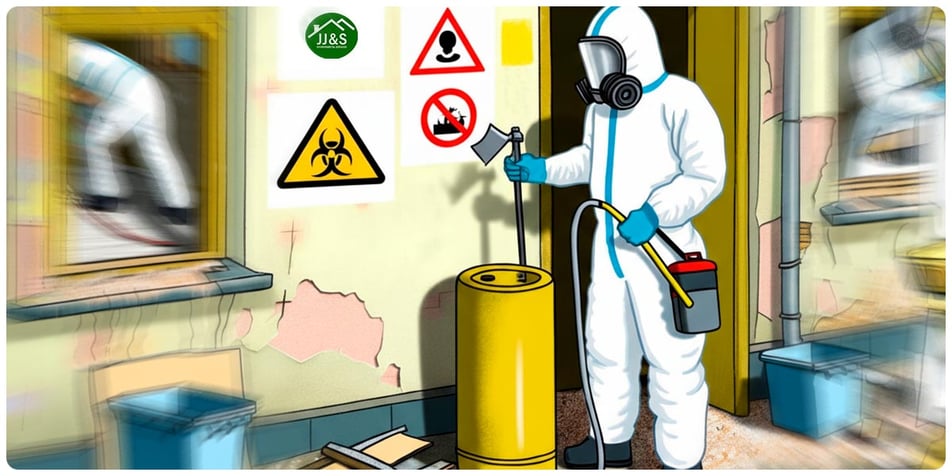
The Real Cost of Choosing the Wrong Partner
Selecting an abatement partner based solely on price often introduces risks that are not immediately visible at the proposal stage, but become significant as the project progresses.
Lower-cost bids are frequently associated with gaps in scope definition, limited upfront assessment, or inconsistent execution standards. These gaps do not remain isolated. They surface during the project lifecycle, where they are more complex and costly to address.
What initially appears as a cost-saving decision can quickly translate into operational issues, including disruption. Incomplete containment, overlooked materials, or insufficient documentation can lead to work stoppages, re-inspections, and unplanned change orders. Each of these events extends timelines, increases coordination complexity, and introduces additional cost layers beyond the original scope.
From a broader perspective, the impact is not limited to the abatement phase. Delays affect downstream companies, disrupt overall project scheduling, and reduce cost predictability across the entire job. In environments where multiple stakeholders are involved, this lack of control can also increase exposure to disputes and liability.
For this reason, experienced contractors, property managers, and insurance professionals evaluate abatement partners based on their ability to deliver consistency, transparency, and risk control and not only based on competitive pricing. The total cost of a project is ultimately defined by how efficiently and reliably it is executed from start to finish.

How JJ&S Approaches Operational Efficiency
At JJ&S Environmental Services, operational efficiency is built into how projects are planned, executed, and documented from day one. Every project begins with a clearly defined scope. No work moves forward without proper assessment and alignment on what needs to be done. This reduces the likelihood of mid-project changes and keeps expectations consistent across all parties.
1. Once approved, mobilization is immediate. Our teams are structured to respond quickly, which helps maintain overall project timelines and prevents delays from impacting other trades.
2. Execution is coordinated, not isolated. Abatement is scheduled to support the broader project, with ongoing communication between contractors, testing companies, and stakeholders to avoid gaps or slowdowns.
3. Documentation is maintained at every stage. Pre, during, and post-work records provide full visibility into the process, ensuring that all work can be validated if needed.
This approach is designed to keep projects moving, maintain control over costs, and reduce risk across the entire lifecycle.
|
If you are managing a project and need an abatement partner that prioritizes efficiency, coordination, and clear communication, our team is ready to support you. Request a consultation or connect with our team to discuss your project. Safety first! If you're unsure whether your project contains asbestos, working with a licensed asbestos removal company helps ensure potential risks are addressed safely and correctly. |


.jpg)