Planning Work on a Home Built in 1976? Here’s What You Need to Know About Asbestos
Planning Work on a Home Built in 1976? Here’s What You Need to Know About Asbestos
If you are planning to work on a home built in 1976, asbestos is one of the most common reasons projects get delayed.
While major restrictions began in the late 1970s, many construction materials used during that time still contained asbestos. Because of that, properties from this period often fall into a gray area where asbestos may be present, even if the home looks updated. The key difference is not whether asbestos exists. It is whether it is identified before work begins.
Why 1976 Homes Still Present Risk?
Homes built in the mid-1970s were constructed during a transition period. Asbestos was still widely used for insulation, fire resistance, and durability, especially in materials designed to last.
Even in properties that have been partially renovated, original materials are often still present behind walls, above ceilings, or beneath flooring. This is where many projects run into issues. Everything looks standard until demolition or renovation begins, and materials are disturbed.
At that point, what could have been a simple project becomes a compliance issue that requires testing, containment, and coordinated removal.
Where Asbestos Commonly Shows Up
In homes from this era, asbestos was not limited to one area. It was used across multiple building materials, particularly where durability and heat resistance were needed.
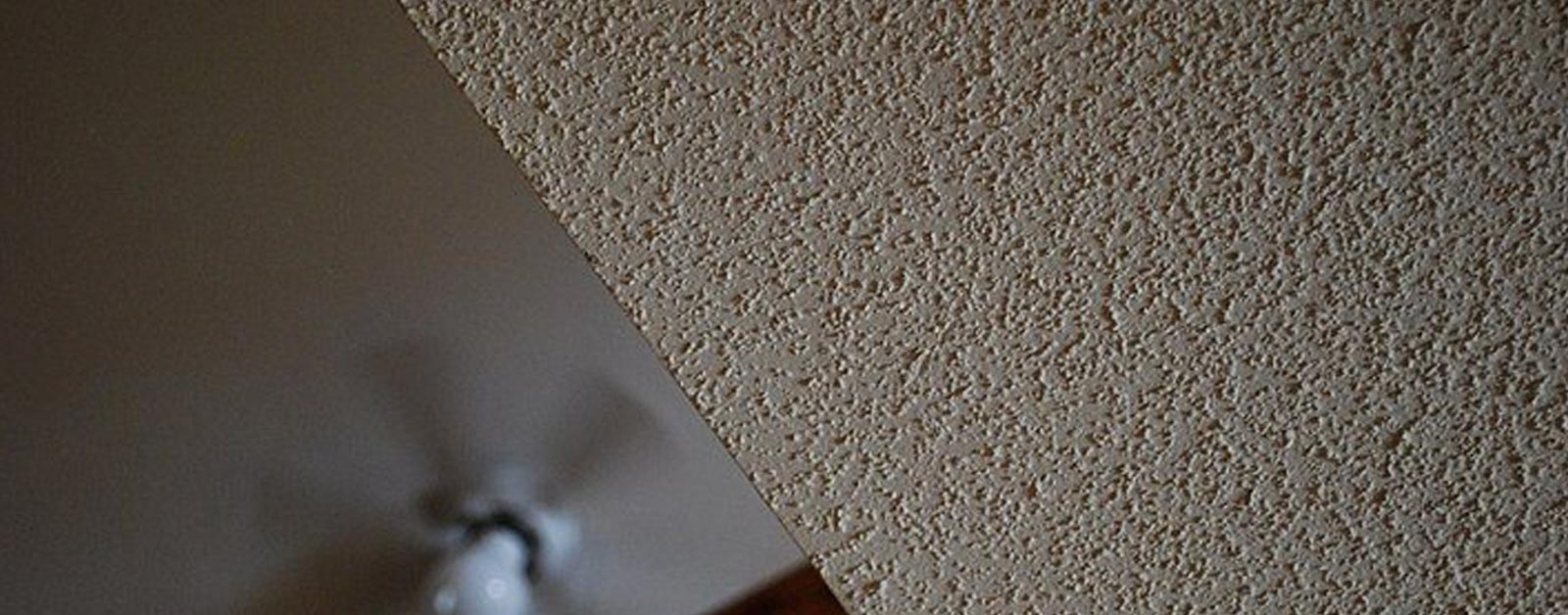
Ceilings are one of the most common examples, especially textured or popcorn finishes. Flooring systems, including vinyl tiles and adhesives, are another frequent source. Insulation, pipe wrapping, and certain wall compounds can also contain asbestos, often hidden behind finished surfaces.
Because these materials can look completely normal, visual inspection is not enough to confirm whether asbestos is present. That uncertainty is what creates risk when work begins.
Factors affecting asbestos abatement cost
Various factors impact the overall asbestos abatement cost. These include the size of the affected area, the type of asbestos, and its location. Inaccessible areas like attics or basements increase costs. Additionally, more dangerous asbestos types, such as crocidolite (blue asbestos), require more detailed procedures, increasing labor expenses by 5% to 10%.
A Note on Cost and Planning
Cost is one of the most common questions, but the bigger factor is timing.
Asbestos removal pricing varies depending on the material, accessibility, and level of containment required. What makes the biggest difference is not just the scope of work, but when asbestos is identified.
When it is discovered early, the project can be planned correctly from the start. When it is discovered mid-project, it often leads to delays, rework, and additional coordination that increases overall costs. For a detailed breakdown of asbestos removal costs in California, you can review our full pricing guide.
California Requirements You Need to Know
In California, asbestos handling is tightly regulated, and those regulations directly affect how projects are executed.
Testing, removal, and disposal must follow strict guidelines, and work must be performed by certified professionals. This is particularly important in areas like Los Angeles, San Diego, and Sacramento, where compliance and documentation are closely monitored. Skipping early identification does not just create risk. It can stop a project entirely.
Keep Your Project Moving Without Delays
Projects do not get delayed because asbestos exists; they get delayed because it was not identified early. JJ&S Environmental works with contractors, property managers, and restoration teams across California to coordinate asbestos testing and handle abatement without disrupting project timelines.
The focus is simple. Identify the issue early, define the scope clearly, and keep the project moving. If you are planning work on a property built around this period, confirming asbestos before starting can save time, cost, and unnecessary complications.
Trust JJ&S Environmental for safe and cost-effective asbestos removal!
When it comes to asbestos removal, JJ&S Environmental stands out as the best option compared to other abatement companies. With our extensive experience and dedication to safety, we ensure every project is completed to the highest standards. Our goal is to provide a range of services, including asbestos testing, abatement, and disposal, making them a one-stop solution for your needs.
What sets JJ&S apart is its commitment to affordable pricing without compromising on safety. They offer competitive rates for asbestos abatement, including the removal of siding, floor tiles, and vermiculite insulation, ensuring you get the best value for your investment. Their skilled team uses state-of-the-art equipment to manage every aspect of asbestos removal, minimizing risks to homeowners and their families.
Choose JJ&S Environmental for professional asbestos abatement that puts your health and safety first. Visit our main site to learn more about our services and request a free quote today.
Frequently Asked Questions
Should I test for asbestos before renovating a 1976 home?
Yes. Testing before starting work helps prevent delays and ensures the project is planned correctly
What happens if asbestos is found during a project?
Work typically stops until testing is completed and proper abatement procedures are followed.
Is asbestos dangerous if left undisturbed?
Undisturbed asbestos is generally low risk, but once materials are disturbed, fibers can become airborne and hazardous.